We both want to get along. Why do we keep misunderstanding each other?
From saying clearly what you’re asking for and giving people time to answer, to how adults can pause an argument, get back in touch and make up: how do you allow for difficulty communicating without leaving important things hanging?
We both mean well — so why do we keep getting each other wrong?
Sometimes the problem is that something important was left unsaid. “You could show a bit more interest in the house” might really mean “I’ve done all the shopping and washing this week and I need you to help.” The other person replies, “But I do care!” You’re talking about two different things, and repeating the same words just makes an argument more likely.
Speaking fluently doesn’t mean you always pick up on hints. Try joining up what’s happened, how you feel and what you’re asking: “I’ve done nearly all the shopping this week and I’m shattered. Could you do it on Saturday morning?” That’s one way of putting it. The point is to make it clear what you want a response to — not to find a magic phrase nobody could ever misunderstand.
If you’re the one listening and you’re not sure, just check: “What would you like me to do right now?” or “Do you want me to listen, or help work out what to do?” That’s much easier than guessing which answer they’re hoping for.
Section sources [1]
If someone doesn’t answer, should you keep asking?
Stop for a moment. Silence might mean they’re thinking, didn’t hear you, don’t know what to say, or don’t want to talk. It doesn’t automatically mean yes, or that they don’t care. Ask once: “Shall we talk later, or would you rather send me a message?” Then give them time.
If there’s a real deadline, explain why: “I need to confirm the booking at six, so just let me know by half five whether you’re coming.” If they can’t decide today, say what you’ll do if you don’t hear back, so neither of you is left guessing.
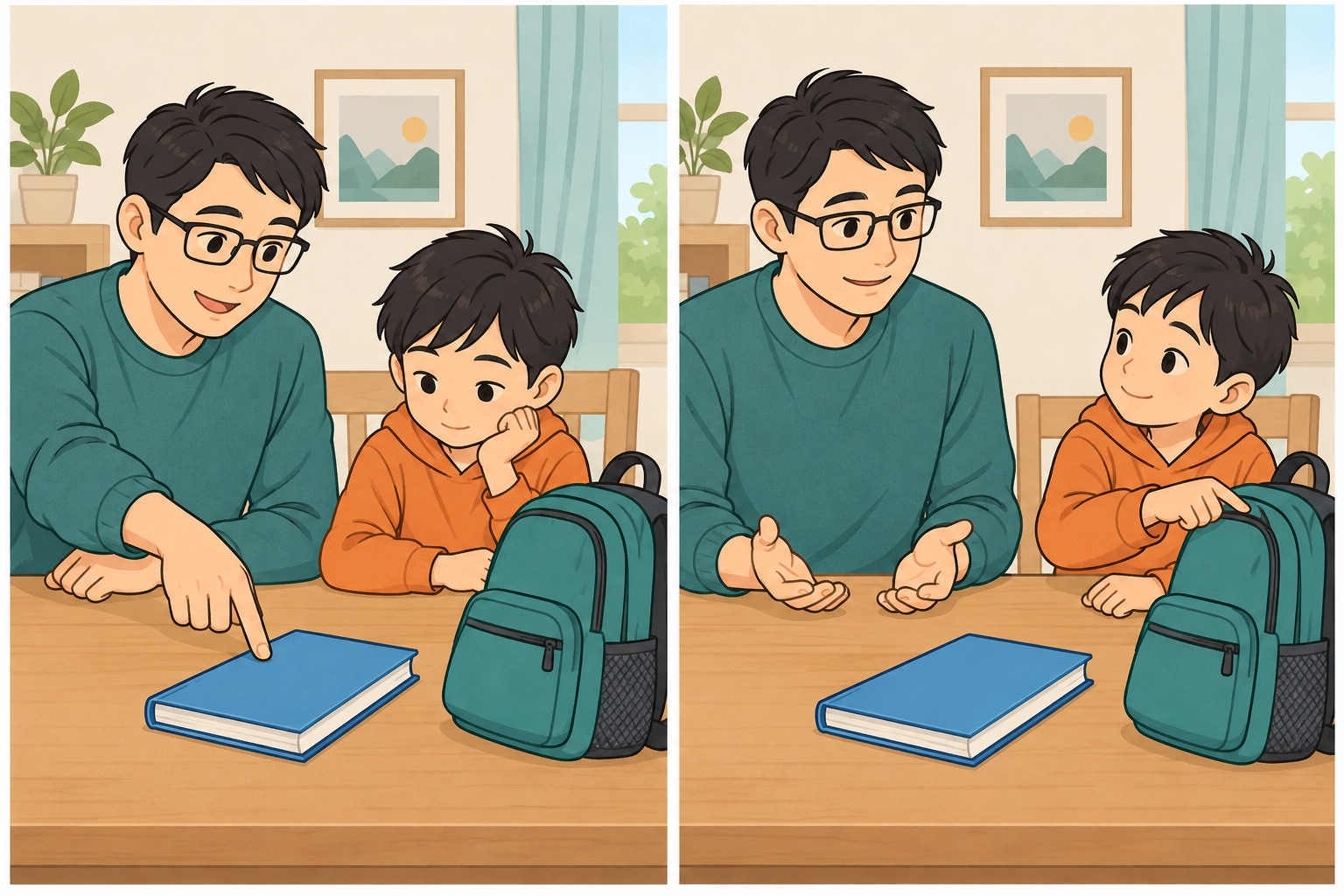
With a child, or anyone who finds it hard to speak right then, accept pictures, pointing or writing as answers. “But you can usually talk” isn’t a reason to insist they say it out loud now. For safety or important decisions, though, still make sure you’ve understood — don’t treat a gesture you’re unsure about as a definite answer.
Section sources [2]
If someone can’t speak during an argument, does it mean they don’t want to talk?
You can’t tell from silence alone. Someone might be searching for the words, might be so overloaded they can’t get anything out, or might genuinely not want to carry on. NAS explains that for some autistic people, speech isn’t equally available all the time, and stress or overwhelm can make it much harder. So “but you were talking fine a minute ago” doesn’t prove they’re not struggling now. And going quiet in one argument doesn’t prove someone is autistic, is in any particular state, or what they’re really thinking. This section is about disagreements between adults — not a way of diagnosing anyone.
In chapter 8 of The Complete Guide to Asperger’s Syndrome, Tony Attwood describes how background noise, a stream of questions and feeling tense can all make it harder to take things in and respond. He suggests allowing time, moving somewhere quieter, or writing instead. We’re borrowing the practical idea of looking at the conditions first — not the book’s generalisations about what groups of people can do or why. Think about what’s piled up right now: Is the TV still on? Are you both talking faster and faster? Were they halfway through explaining one thing when you asked three more questions? Taking away one of those pressures is more likely to help them respond than insisting they “just explain it properly right now.” This is our own analysis, not a tested method.
Autistica’s guidance on supporting someone through meltdowns and shutdowns recommends cutting down on noise and other input, keeping language simple and respecting their need for space. You don’t have to put a name to what’s happening before you can take some pressure off. And don’t assume writing will be easier — some people can manage a short text; for others, reading and writing are just as hard in that moment. Work out together, at a calm time, what helps. When they can’t communicate for now, ask fewer questions rather than reading a definite meaning into every move they make.
How do you take a break without leaving the other person hanging?
A pause can take care of two things at once: carrying on right now is too hard, and the issue still needs dealing with. It’s best to agree beforehand, when you’re not arguing: a signal you both recognise, how you’ll give each other space during the break, and when you’ll try getting back in touch. Checking in is a chance to see whether you can carry on — not a promise that they’ll be able to talk by then. There’s no standard ten minutes or half an hour. Some people need to be completely alone; others want to know their partner is still nearby. You have to ask the actual person. And if they can’t manage even the signal, that isn’t permission to keep pushing.
Here’s a made-up example. Jia and Yi are arguing about whether to visit relatives at the weekend. Jia is finding it hard to answer, so they take the break they agreed on beforehand and Yi stops asking questions. They plan for Yi to send a short message at eight to see whether they can talk again — and if it’s still too hard then, Jia can suggest another time or another way. Eight o’clock isn’t a deadline to be “better,” and nobody has to write a long explanation. The relatives need to know numbers for dinner by seven, so their agreed backup is to not confirm this time. Taking a break doesn’t mean Jia has agreed to go. If one of them also needs to pick up a child or look after someone, that needs sorting separately — “wait until we’ve talked” can’t be the only plan.
In a 2024 Autistica webinar, researcher Hayley Green described interviews she’d done with five couples who saw themselves as having different neurotypes. She talked about partners having different communication preferences, and about one sometimes needing space rather than more information. That’s a summary of a small interview study — it doesn’t prove any particular way of pausing works, and it can’t speak for all couples. What we take from it is that both people need to be part of the solution. One of you may need quiet; the other may need to know the issue hasn’t been dropped. Talking about those needs as something to arrange together works far better than casting one person as “the one who runs away” and the other as “the one who won’t let it go.”
Section sources [5]
When you come back to it, how do you deal with the original issue — and any hurt?
First check how you can talk now and how much you can manage, then go back to one specific question. Jia and Yi could talk only about whether to go this time, rather than dragging up every family disagreement. Writing doesn’t have to cover everything at once: each of you can say what you’re worried about and what you need the other to decide, then check you’ve understood each other. If answering is still hard, try shorter messages, a bit more space, or another go later. Don’t force it just to prove you kept to the agreement. These are examples of what you might try, not a guarantee you’ll agree.
It also helps to talk separately about why things went wrong and what effect it had. Jia can explain that being questioned made it really hard to find words. Yi can explain that not knowing whether they’d ever talk about it again was making them anxious. Both deserve to be heard. But explaining a difficulty doesn’t undo insults, broken promises or other real consequences. If someone said something hurtful, they should own it specifically and talk about doing things differently. If one person took on urgent childcare during the break, the load needs sharing out again. And if breaks keep happening but the issue never gets answered, talk when you’re both calmer about more realistic ways to keep in touch, your own limits, and whether you’d both be open to outside help. Waiting forever shouldn’t become the other person’s job.
Finally, all of this depends on being safe. Threats, repeated humiliation, controlling where someone can go, or being hurt for asking to pause can’t be explained away as “a misunderstanding between different neurotypes.” NHS guidance on domestic abuse makes clear that harm can include emotional control and threats, and that you don’t have to wait for an emergency to get help. If this is happening, tell someone you trust or a local support service what’s been going on. If you’re in immediate danger, contact your local emergency services. Nothing in this article means anyone should stay in a conversation that isn’t safe, and it can’t judge the whole of any particular relationship.
Section sources [6]
How do you check you’re really talking about the same thing?
For anything important, run through the time, place and next step out loud: “So that’s Saturday at two, exit A of the station, and I’ll message when I get there.” If they’d understood something different, you can sort it out right then — much more reliable than just asking, “Got it?”
With children, don’t turn checking into a test. Look together at two things written on a piece of paper: “Pack your bag, then put your shoes on. Which one do you want to do yourself first?” If they get stuck, look at whether you gave too many instructions at once or used words that weren’t clear.
You can both make adjustments. The person who tends to hint can spell out what they’re asking for. The person who takes things literally can ask when they’re not sure. One person shouldn’t be stuck with the job of decoding every hint forever.
Section sources [1]
How do you put it right when someone’s already been upset?
Say you changed the venue at the last minute and your friend was left waiting. Start with: “I’m sorry I didn’t send you the new address in time and kept you waiting so long.” Then explain what happened and agree what to do now. “I didn’t mean to” on its own doesn’t deal with what actually happened to them.
It’s fine to change just one thing that’s easy to stick to — like always sending the full address when plans change, or following up important things in writing. If someone’s unhappy, ask exactly which words or which thing upset them. If you still don’t understand, keep checking. You don’t have to end the disagreement by guessing.
Sources & further reading
- National Autistic Society · Autism and communication ↗
How this source was used
National Autistic Society information on autism and communication, including differences in communication and how speech can become harder under stress.
- Joe Butler / National Autistic Society · Tips for effective communication with autistic pupils · 8 April 2022 ↗
How this source was used
Joe Butler’s 2022 advice for the National Autistic Society on communicating with autistic pupils: how to ask questions, allowing time to respond, and using pictures and other ways of communicating.
- Tony Attwood · The Complete Guide to Asperger’s Syndrome · chapter 8, selected language passages ↗
How this source was used
Selected passages on language from chapter 8 of The Complete Guide to Asperger’s Syndrome (Chinese edition). We take the idea of looking first at the conditions for communication: surroundings, time and how people express themselves.
- Autistica · Supporting meltdowns ↗
How this source was used
Autistica guidance on supporting someone through a meltdown: reducing stimulation, keeping language simple and respecting their need for space.
- Autistica · Relationships and autism webinar: takeaways and transcript · 10 July 2024 ↗
How this source was used
Takeaways and transcript from Autistica’s 2024 webinar on relationships and autism, including a summary of a small interview study with five couples.
- NHS · Getting help for domestic violence and abuse · reviewed 23 June 2026 ↗
How this source was used
NHS information on getting help for domestic abuse. We use it to explain that harm can include emotional control and threats. Use the support services where you live.
Editorial note: our synthesis and educational examples have not undergone clinical review. They do not diagnose individuals or replace medical advice. Source organisations have not reviewed or endorsed these articles.